WOMEN PHYSICIANS COLLECTIVE
What Women's Health Research Got Right in 2026 (Finally)
Women's health research is finally getting the moment it deserves. The FDA reversed guidance that had been driving under-treatment for over two decades. ACOG changed how we diagnose a condition that affects 1 in 10 women globally. And the Cleveland Clinic published data that confirmed what most of us already knew in our bones, and made it impossible to ignore.
As women physicians, we are often the ones applying this research. And we are also the patients it describes. Here are the updates and why they matter to you specifically.
The FDA Finally Reversed the Black Box Warning on Menopausal HRT
This is a big one.
After a comprehensive scientific review, the FDA officially removed the black box warnings on menopausal hormone therapy related to cardiovascular disease, breast cancer, and dementia. The endometrial cancer warning for systemic estrogen-alone therapy in patients with a uterus remains.
This is a direct reversal of guidance rooted in the 2002 Women's Health Initiative — the study that drove decades of under-treatment and left an entire generation of women undertreated for menopausal symptoms. Updated labeling now emphasizes initiating therapy before age 60 or within 10 years of menopause onset.
Change in practice always lags behind the evidence. But patient counseling is moving in the right direction, and that matters.
ACOG Changed How We Diagnose Endometriosis
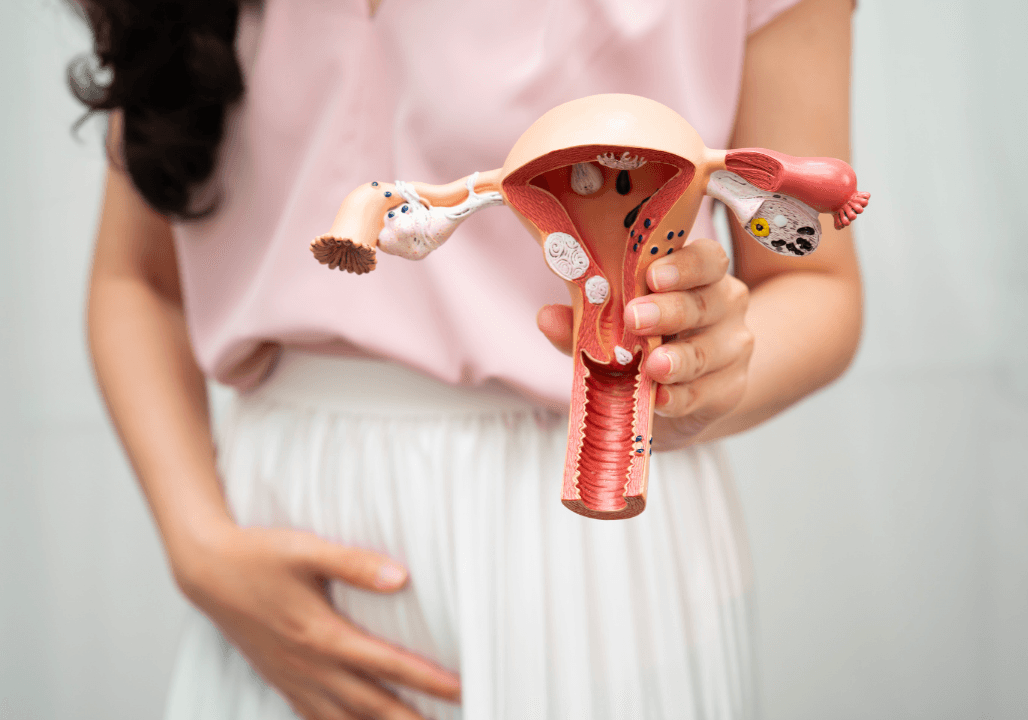
ACOG's new Clinical Practice Guideline formally permits clinical diagnosis of endometriosis without surgical confirmation — a significant shift from prior standard of care. Symptom-based evaluation (cyclic pelvic pain, dysmenorrhea, dyspareunia, infertility) is now sufficient to start empiric treatment, with transvaginal ultrasound as first-line imaging.
The average diagnostic delay for endometriosis is still 4 to 11 years. For a condition affecting 1 in 10 women globally, that number has always been staggering. This guideline is a real win, and it's worth taking a moment to acknowledge that.
The Cleveland Clinic's State of Women's Health Report
The Cleveland Clinic released their State of Women's Health report, and a few numbers are worth noting:
45% of women say their biggest concern about aging is not having enough money to care for their health — more than those who cite cancer, heart disease, or Alzheimer's combined
42% of women are unaware that menopause can affect the heart, brain, and bones
Only 19% of women know they are at higher risk for Alzheimer's disease, despite accounting for nearly two-thirds of all cases
Women who provide unpaid care report significantly higher levels of stress, fatigue, and guilt about prioritizing their own health compared to non-caregivers
We already know this. Most of us have lived some version of it. But there is something about seeing it quantified that makes it harder to dismiss — and easier to name when you're talking to a patient, a colleague, or yourself.
Why This Matters for Women Physicians Specifically
The research that changes how we treat patients is the same research that describes our own bodies. We spend a lot of time applying clinical knowledge to everyone else and very little time turning it back toward ourselves.
The menopausal hormone therapy reversal, the endometriosis guideline update, the data on caregiving and health — none of it is abstract. It applies to you, the physician reading this, at whatever stage of your career and your body you are in right now.
If you like resource roundups like this one, our newsletter has a monthly Resource Rounds edition that delivers noteworthy news straight to your inbox — the kind that actually applies to you as a woman physician, not just to your patients.
You can click here to subscribe to Notes from the Call Room.
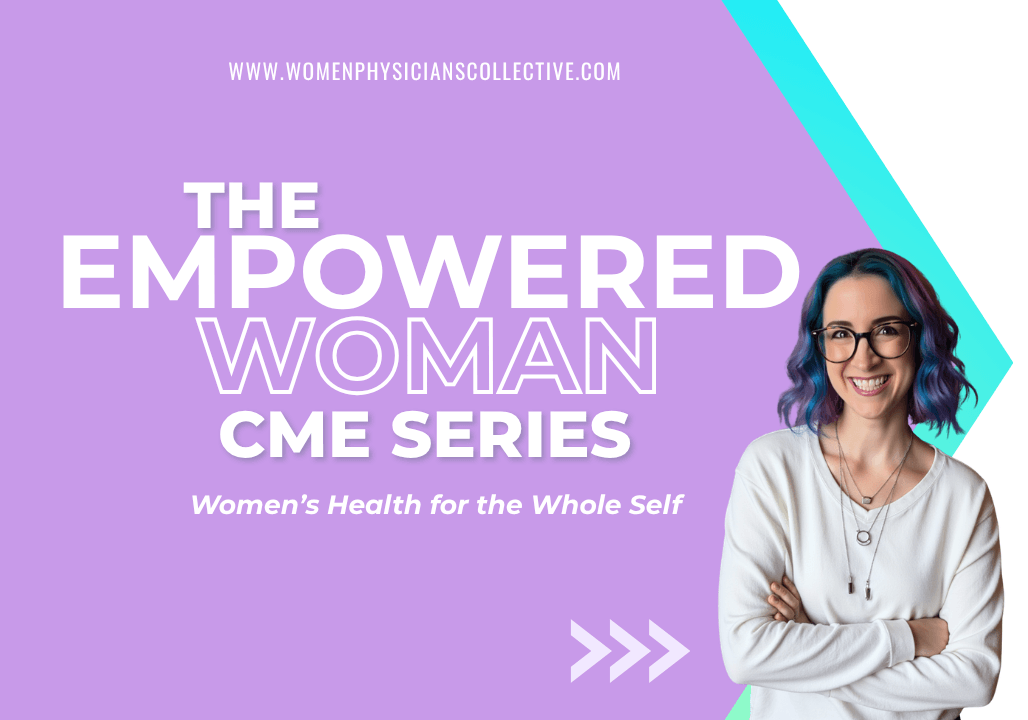
And if you want women's health education that goes deeper — applied directly to your life and your body — the WPC CME Series is built for exactly that.
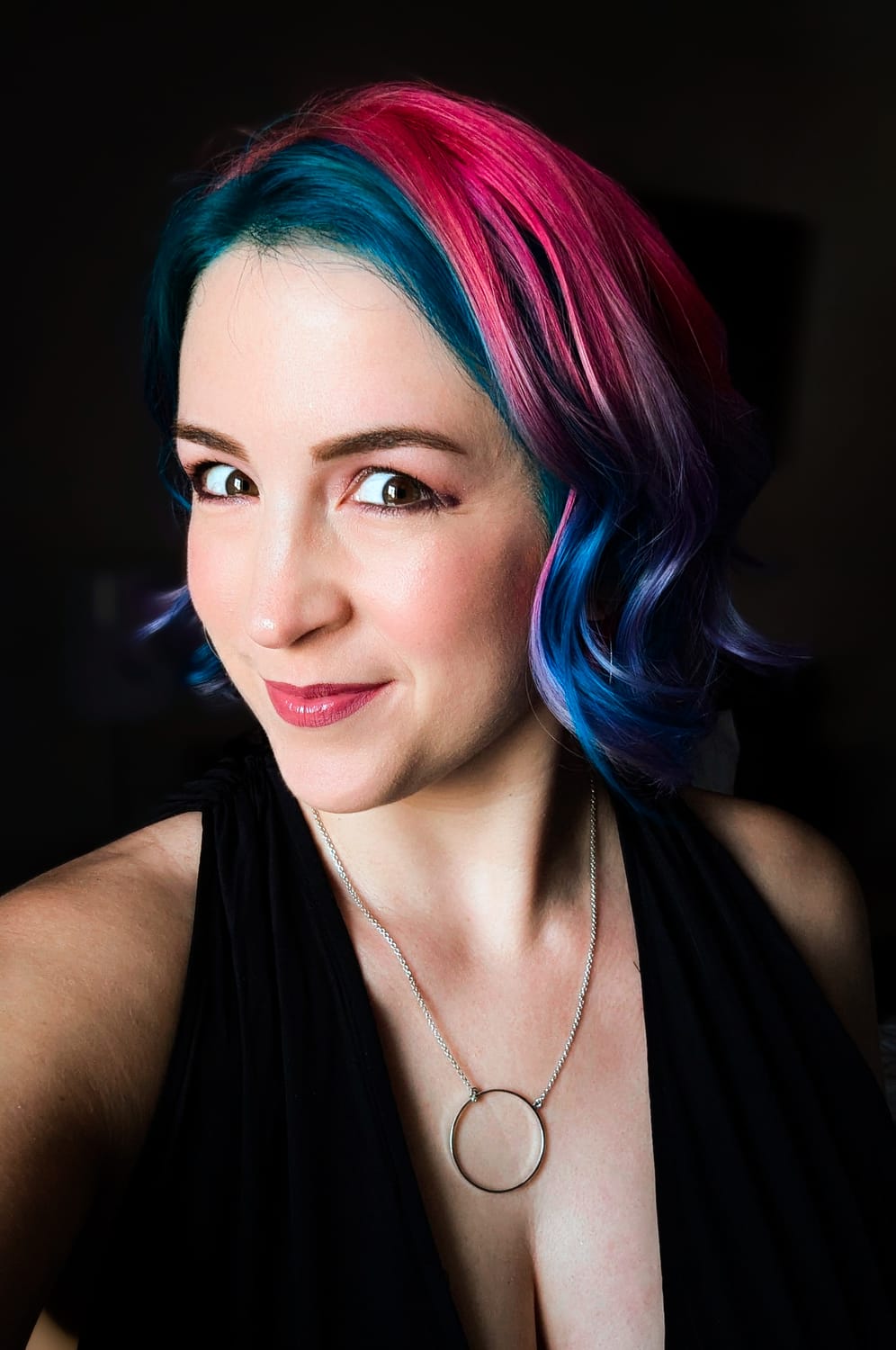
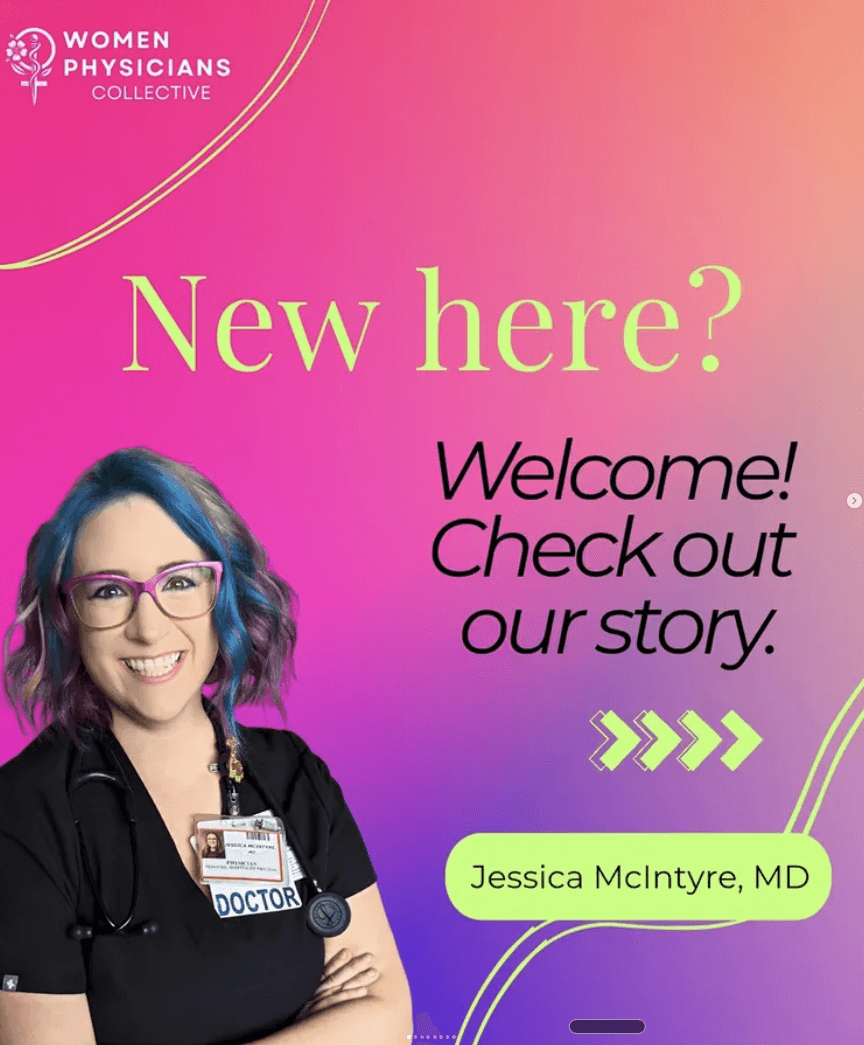
I'm JMac.
I'm a pediatric hospitalist and the founder of Women Physicians Collective.
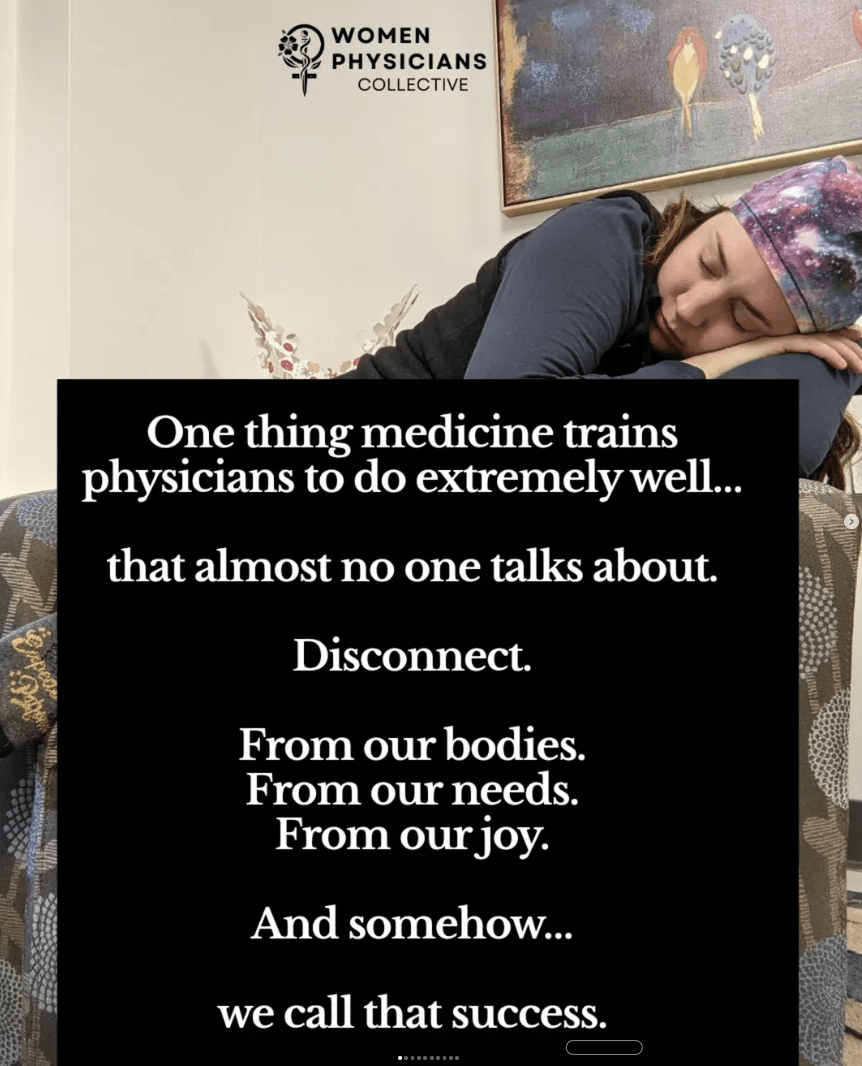
I started WPC because I've been alone in that call room, wondering who I was outside of being a doctor.
I write about the things nobody said out loud in medical school — identity, burnout, the weight women physicians carry, and what it actually takes to feel like yourself again inside this career.
This isn't a wellness blog.
It's a colleague who gets it, writing openly about the hard parts.
popular



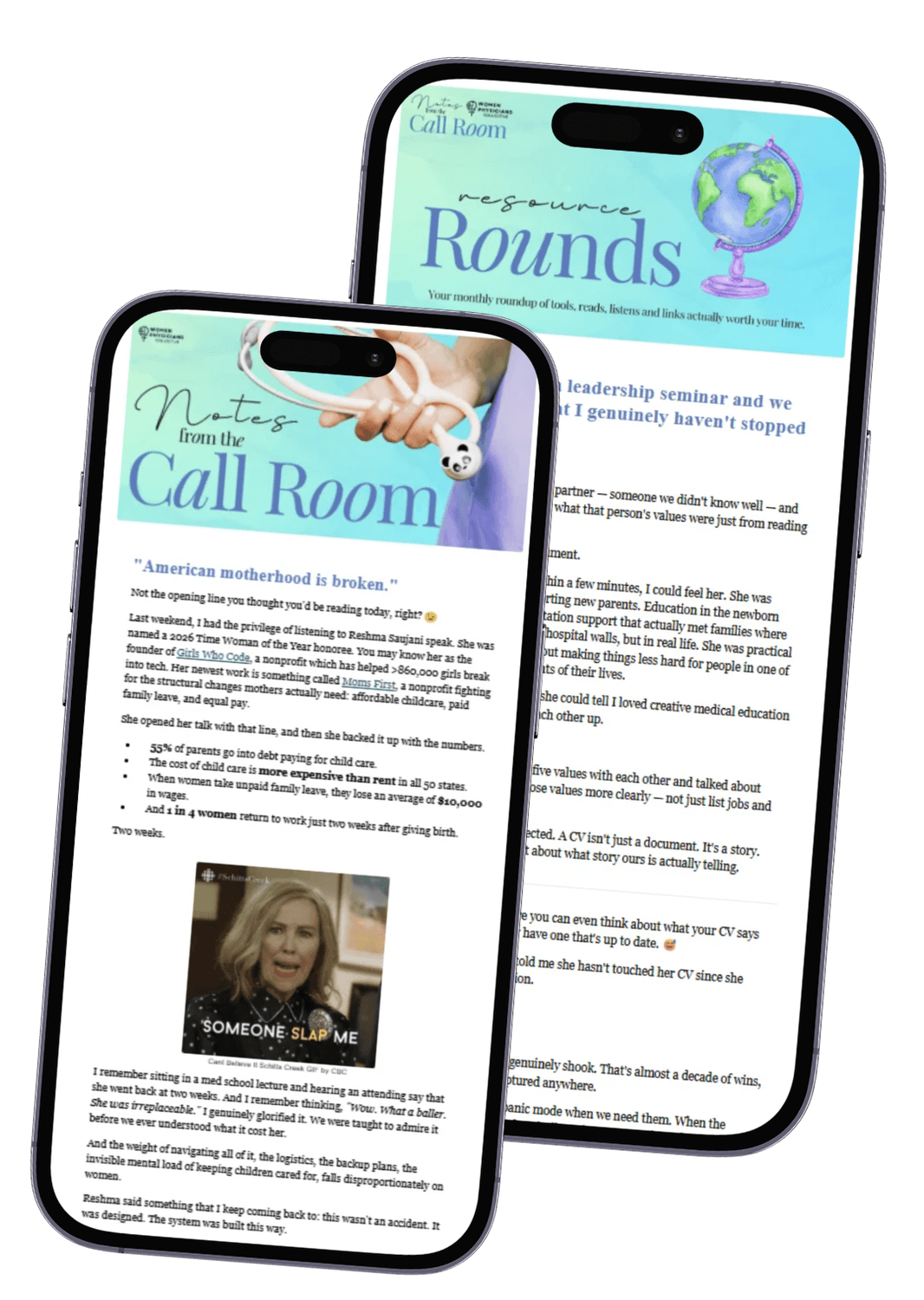
Get on the list for the convos we don't get to have at work.
Weekly-ish drops on medicine and identity, women's health, community, AI, and the real tea about this wild ride.

©WOMEN PHYSICIANS COLLECTIVE LLC 2025 | SITE CREDIT | PRIVACY | TERMS & DISCLAIMERS