WOMEN PHYSICIANS COLLECTIVE
A Clinical Trial Is Testing Psilocybin for Physician Burnout — And I Have Thoughts
Yes, you read that correctly.
UC San Diego is currently running a Phase 1/2 clinical trial recruiting physicians who have experienced burnout for six or more months, testing a single psilocybin dose combined with psychedelic-assisted therapy. This is an IRB-approved, actively recruiting trial at one of the country's top research institutions.
And before you scroll past it — the data behind it is worth knowing.
What the Research Actually Shows
A completed randomized controlled trial found that group psilocybin combined with mindfulness training produced clinically significant reductions in depressive symptoms in physicians and nurses, and outperformed mindfulness training alone.
That last part is important. Mindfulness alone, which is what most hospital wellness programs offer, was less effective than psilocybin combined with mindfulness. That is not a small finding.
Physician burnout currently sits at 41.9%, down from 48.2% in 2023. The trend is moving in the right direction, but 41.9% is still nearly half the physician workforce. For women physicians, the rates are consistently higher than for male colleagues, and women are exiting medicine at concerning rates.
Why This Is Worth Paying Attention To
There is a tendency to treat physician burnout as a mindset problem — something that can be solved with better scheduling, a meditation app, or a weekend away. The research does not support that framing.
Burnout is a systemic problem that accumulates in the body and the brain over years of chronic stress, inadequate support, and a professional culture that has historically treated needing anything as a weakness. The most effective interventions are also the most structural ones.
What's interesting about the psilocybin research is that it isn't asking physicians to push through or reframe their thinking. It's acknowledging that the neurological and psychological impact of chronic burnout is real, measurable, and potentially treatable in ways we haven't fully explored yet.
That is a significant shift in how the research community is approaching this.
What This Doesn't Mean
This is not an endorsement of self-medicating. The trial uses a controlled dose in a therapeutic setting with trained facilitators. That context matters enormously.
It also doesn't mean psilocybin is the answer for everyone or that it will become mainstream clinical practice in the near future. Phase 1/2 trials are early-stage. The findings are promising, not conclusive.
What it does mean is that researchers are finally taking physician burnout seriously enough to look for interventions that match the actual severity of the problem. That alone is worth noting.
The Bigger Picture
Physician burnout at 41.9% is not a personal failing at scale. It is a systems problem that produces a predictable outcome when you put hardworking people inside a structure that asks too much and gives too little back.
The most useful thing any of us can do — beyond watching the research — is build the kind of support structures that don't wait for a clinical trial to tell us that physicians need connection, recovery time, and communities that actually understand what this life costs.
That's what WPC exists for. Not as a treatment. As a room where you don't have to explain yourself before you can be understood.
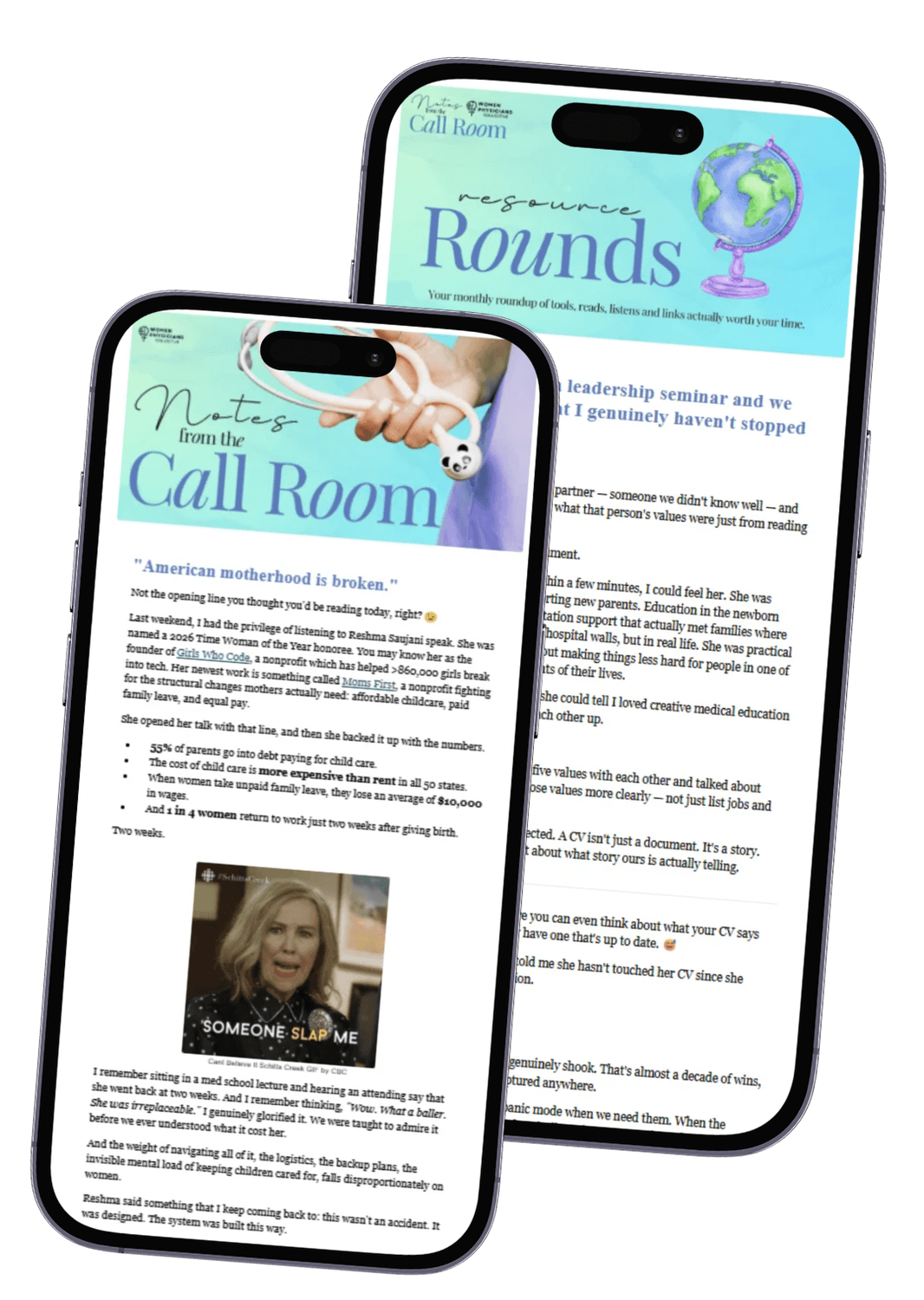
If you like staying current on research like this, the newsletter has a monthly Resource Rounds edition delivering the noteworthy updates straight to your inbox.
Subscribe to Notes from the Call Room below 👇
And if you want to go deeper on what actually helps with burnout, check out our CME lineup here.
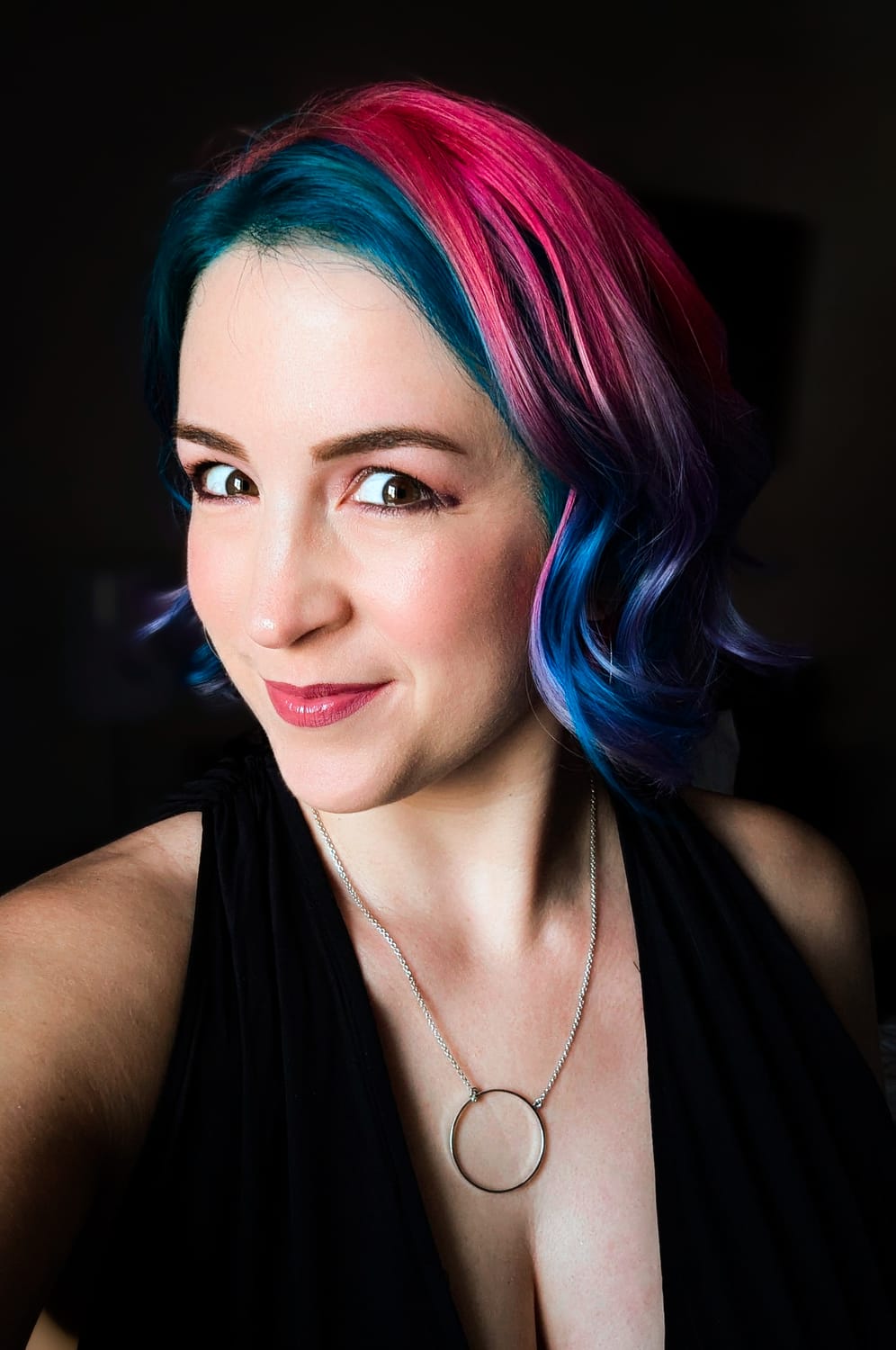
I'm JMac.
I'm a pediatric hospitalist and the founder of Women Physicians Collective.
I started WPC because I've been alone in that call room, wondering who I was outside of being a doctor.
I write about the things nobody said out loud in medical school — identity, burnout, the weight women physicians carry, and what it actually takes to feel like yourself again inside this career.
This isn't a wellness blog.
It's a colleague who gets it, writing openly about the hard parts.
popular


Get on the list for the convos we don't get to have at work.
Weekly-ish drops on medicine and identity, women's health, community, AI, and the real tea about this wild ride.



©WOMEN PHYSICIANS COLLECTIVE LLC 2025 | SITE CREDIT | PRIVACY | TERMS & DISCLAIMERS