WOMEN PHYSICIANS COLLECTIVE
AI Is Misdiagnosing Women — And Black Women Most of All. Here's What Physicians Need to Know.
The promise of AI in medicine is better outcomes, faster diagnosis, fewer errors. The reality, at least right now, is more complicated.
Research published in Nature's npj Digital Medicine confirmed what many of us have suspected: AI vision-language foundation models used in medical imaging consistently underdiagnose women, and the disparities compound significantly for Black female patients. The bias isn't random. It has a root cause, and it's fixable. But fixing it requires understanding exactly what is happening and why.
What the Research Found
The study examined AI diagnostic tools used in medical imaging and found systematic underperformance for women and Black female patients specifically. The underdiagnosis rates were worse at the intersection, meaning Black women experienced compounding disparities that neither group faced alone.
The root cause is the training data. AI models learn from the datasets they are trained on, and those datasets have historically underrepresented women and Black patients. A model trained on data that skews toward white male patients will perform better on white male patients. This is not a glitch. It is a direct output of the input. Large language models are simply pattern recognition, which means we need to deliberately train them for diversity, equity, and inclusion — or they will keep reproducing the gaps already baked into the data.
What Regulators Are (and Aren't) Doing
The EU AI Act, now fully in effect in 2026, mandates representative training data for high-risk AI systems. Medical imaging AI qualifies as high-risk. European developers building these tools are now legally required to demonstrate demographic representation in their training datasets.
The United States has no equivalent standard.
This means that if your hospital is using AI diagnostic tools — and increasingly, they are — the bias problem is almost certainly present. It may not be visible at the individual patient level, which makes it harder to catch and easier to ignore.
Why Women Physicians Specifically Need to Be in This Conversation
I feel strongly about this one, and I want to be direct.
Women physicians need to start using AI more, not less, specifically because the tools need us in the room. Every clinician who engages with these systems, provides feedback, flags errors, and participates in conversations about implementation is contributing to training data that is more representative. Our absence from that process makes the problem worse.
This is not comfortable. Using a tool you know has documented bias in order to help fix it requires a particular kind of intentionality. But the alternative, stepping back and waiting for someone else to sort it out, leaves our patients (and us!) worse off.
Women physicians see patients who are disproportionately harmed by this bias. We have both the clinical credibility and the personal investment to push back on implementations that don't account for it and advocate for the standards that do.
What You Can Do Right Now
Ask your hospital's informatics or AI implementation team which diagnostic tools are in use and whether bias audits have been conducted
Document and report cases where AI-generated recommendations seem inconsistent with your clinical judgment, particularly for women and minority patients
Stay current on the research — this is a fast-moving space and the evidence base is expanding
Engage rather than opt out — the physicians most affected by AI bias are the ones whose voices matter most in shaping how these tools are built and deployed
The research is uncomfortable. The regulatory gap is real. And the path forward runs directly through physicians — particularly women physicians — choosing to be part of the conversation instead of watching it happen without us.
Inside WPC, we have an AI playground where members can experiment with tools, ask questions, and think through the ethics of AI in medicine alongside other physicians who are navigating the same questions. If that sounds like your kind of conversation, come find us here.
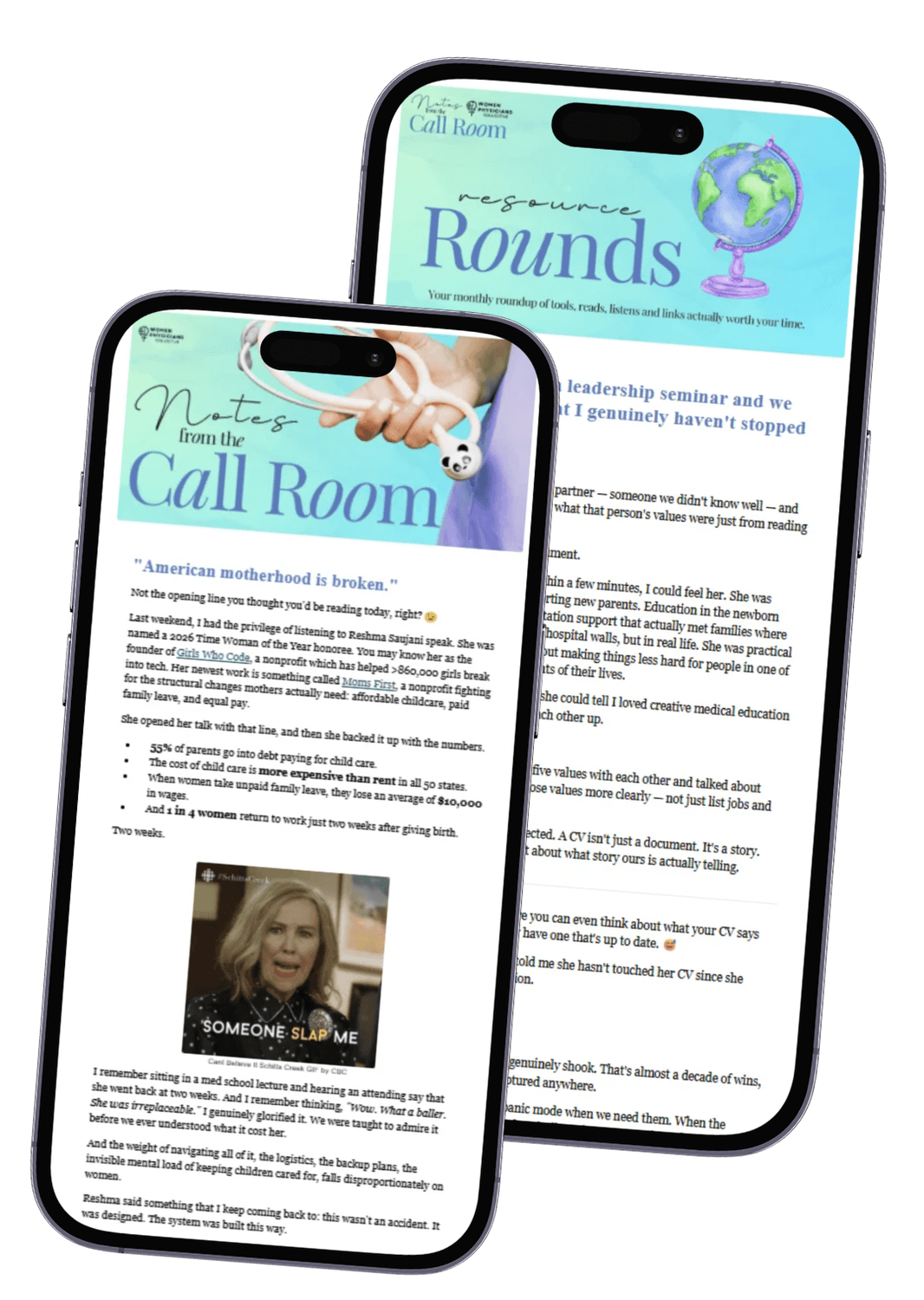
If you like staying current on research like this, the newsletter's monthly Resource Rounds edition is a good place to start.

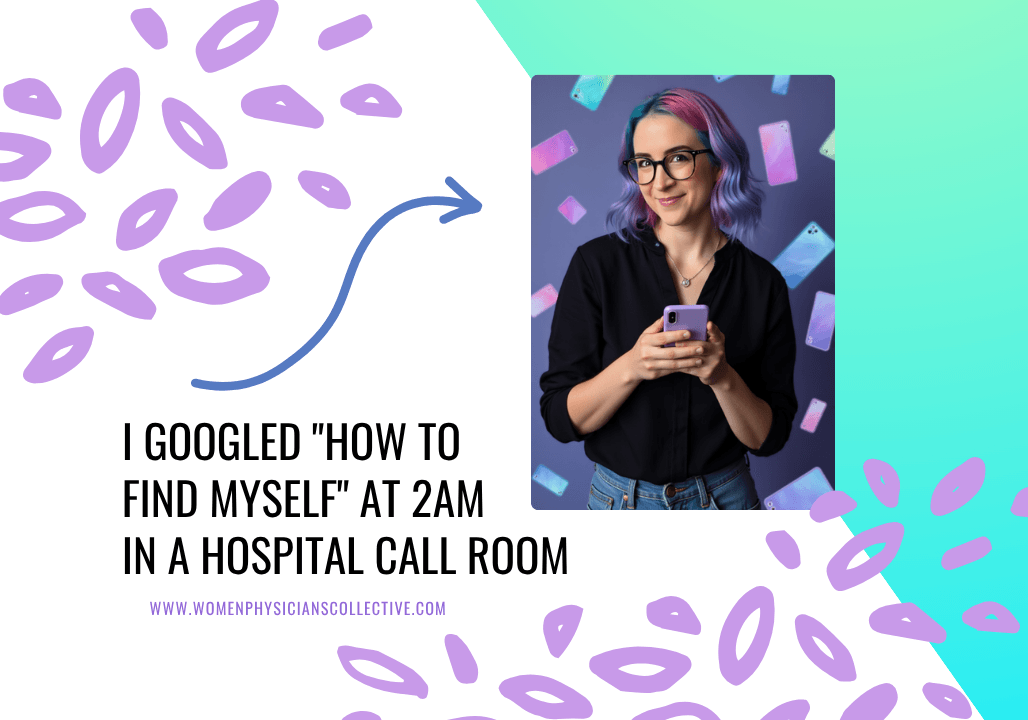
I'm JMac.
I'm a pediatric hospitalist and the founder of Women Physicians Collective.
I started WPC because I've been alone in that call room, wondering who I was outside of being a doctor.
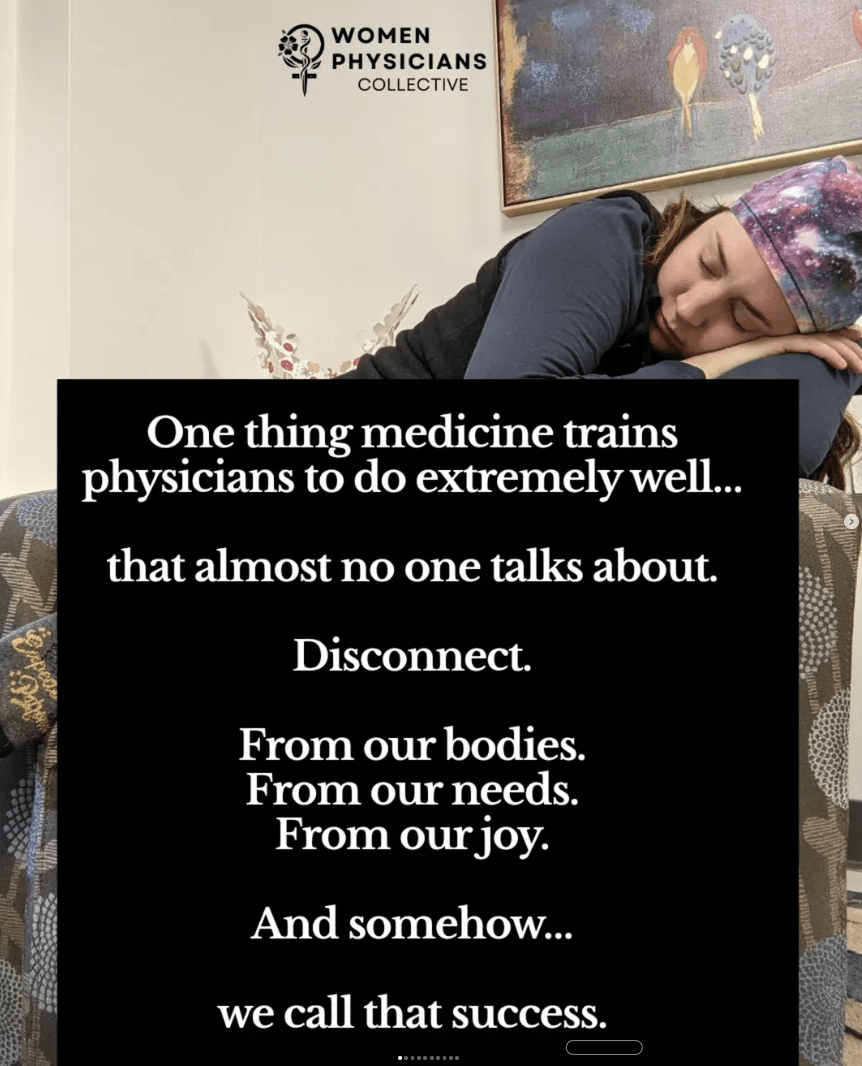
I write about the things nobody said out loud in medical school — identity, burnout, the weight women physicians carry, and what it actually takes to feel like yourself again inside this career.
This isn't a wellness blog.
It's a colleague who gets it, writing openly about the hard parts.
popular



Get on the list for the convos we don't get to have at work.
Weekly-ish drops on medicine and identity, women's health, community, AI, and the real tea about this wild ride.



©WOMEN PHYSICIANS COLLECTIVE LLC 2025 | SITE CREDIT | PRIVACY | TERMS & DISCLAIMERS